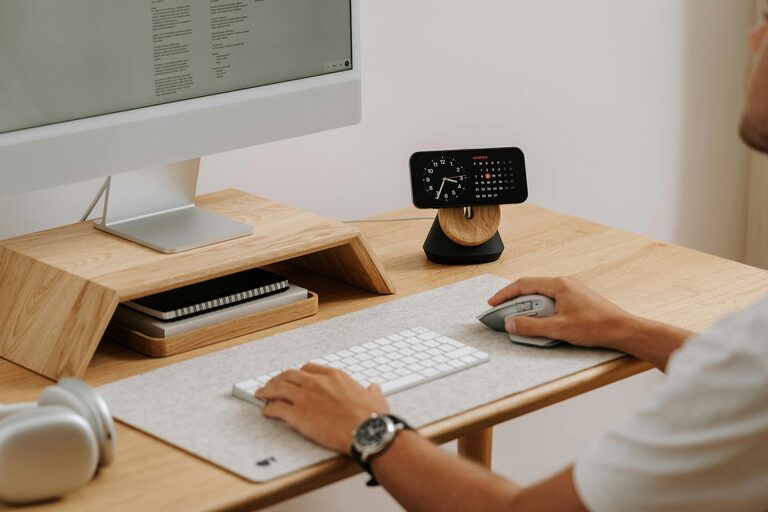
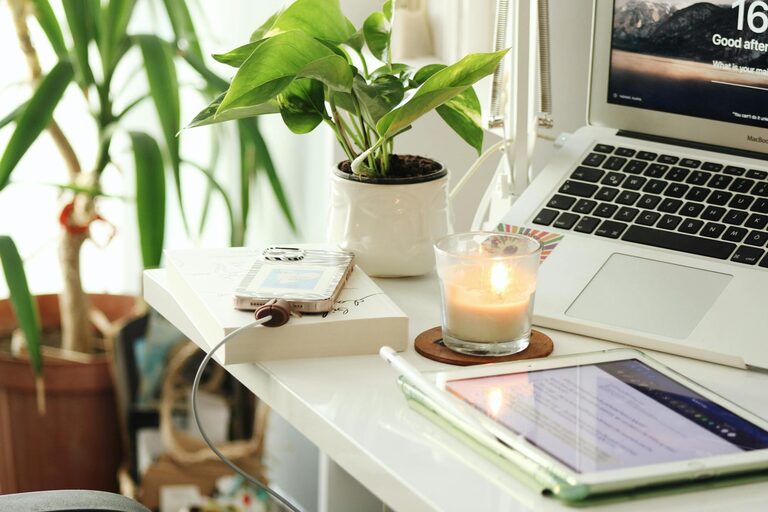
Creating a productive home office environment is essential for anyone working remotely or running a business from home. A well-organised and comfortable space can enhance focus, reduce stress, and improve overall work performance. Whether you have a dedicated room or a small corner, these tips will help you create an effective home workspace tailored to your needs.
Choose the Right Location
Selecting the ideal spot for your home office is the first step towards productivity. Ideally, choose a quiet area with minimal distractions.
– Natural Light: Position your workspace near a window if possible. Natural light improves mood and reduces eye strain.
– Privacy: Ensure the space allows for concentration and privacy, especially if you share your home with others.
– Comfort: Avoid noisy areas such as kitchen or living rooms where interruptions are frequent.
Invest in Ergonomic Furniture
Comfortable furniture supports good posture and prevents physical discomfort that can distract from work.
– Ergonomic Chair: Choose a chair that offers lumbar support, adjustable height, and comfortable cushioning.
– Desk: Opt for a desk with enough surface area for your essentials — computer, notebooks, and other tools.
– Standing Desk Option: Consider a sit-stand desk or a desk converter to alternate between sitting and standing.
Minimise Clutter and Organise Your Space
A tidy workspace promotes mental clarity and helps you locate what you need quickly.
– Storage Solutions: Use shelves, filing cabinets, and desk organisers to keep papers and equipment in order.
– Cord Management: Tidy up cables with clips or sleeves to avoid a tangled mess.
– Daily Clean-Up: Spend a few minutes at the end of each workday to clear your desk.
Manage Lighting Effectively
Proper lighting is crucial to reduce eye strain and maintain alertness.
– Layered Lighting: Combine natural light with overhead and task lighting.
– Task Lighting: Use a desk lamp with adjustable brightness for detailed work.
– Avoid Glare: Position your screen to avoid reflections from windows or lights.
Personalise Your Workspace
Adding personal touches can make your home office more inviting and motivating.
– Plants: Small indoor plants can improve air quality and create a calming atmosphere.
– Artwork: Hang inspiring prints or photos that boost your mood.
– Comfort Items: Include items like cushions or a favourite mug to enhance comfort.
Set Boundaries and Establish Routines
Working from home can blur the lines between personal and professional life. Setting boundaries helps maintain focus and work-life balance.
– Set Work Hours: Define clear start and finish times, and communicate them to household members.
– Breaks: Take regular breaks to stretch or move around, improving concentration.
– Transition Rituals: Create routines that signal the start and end of your workday, such as a morning coffee or shutting down your computer.
Minimise Distractions
Maintaining focus requires reducing interruptions and unnecessary noise.
– Use Noise-Cancelling Headphones: They can help block out background noise.
– Turn Off Notifications: Disable social media and non-essential notifications during work hours.
– Inform Others: Let household members know when you’re working and prefer not to be disturbed.
Optimise Technology and Tools
Reliable and efficient technology can streamline your work tasks.
– Good Internet Connection: Ensure you have fast and stable internet to avoid disruptions.
– Organised Digital Files: Keep your computer files well organised for quick access.
– Necessary Software: Use productivity apps, calendar tools, and communication platforms suited to your work.
Maintain Comfort and Wellbeing
Your physical and mental wellbeing influences your ability to work effectively.
– Temperature Control: Keep the room at a comfortable temperature.
– Hydration and Nutrition: Keep a water bottle nearby and schedule meal breaks.
– Stretching Exercises: Incorporate simple stretches or light exercises throughout the day.
Review and Adapt Your Workspace
Finally, regularly assess your home office setup and make adjustments as needed.
– Feedback Loop: Reflect on what is working and what isn’t.
– Upgrade Equipment: Replace or add equipment that improves comfort or productivity.
– Stay Flexible: As your work evolves, your space should adapt accordingly.
—
Creating a productive home office environment involves thoughtful planning, organisation, and attention to comfort. By applying these tips, you can transform your workspace into a place that encourages focus, creativity, and efficiency. With the right environment, working from home can be both enjoyable and highly productive.