Creating a cosy and inviting home office space is essential, especially as more people work remotely or from home. A well-designed workspace can enhance your comfort, improve productivity, and make working from home an enjoyable experience. Whether you have a dedicated room or just a corner in your living area, there are plenty of ways to turn it into a welcoming and functional office.
In this post, we’ll share practical tips for designing a home office that feels comfortable, inspires focus, and reflects your personal style.
Choose the Right Location
Find a Quiet Spot
Selecting the right location for your home office is the first step. Ideally, your office should be in a quiet area, away from high-traffic zones like the kitchen or living room. This helps minimise distractions and creates a boundary between work and home life.
Consider Natural Light
Position your desk near a window if possible. Natural light can boost your mood, reduce eye strain, and make the space feel warmer and more inviting. However, avoid placing your screen directly opposite a window to prevent glare.
Invest in Comfortable Furniture
A Supportive Chair
A comfortable, ergonomically-designed chair is a must-have. It supports your posture, reduces the risk of back pain, and allows you to work for longer periods without discomfort.
Functional Desk
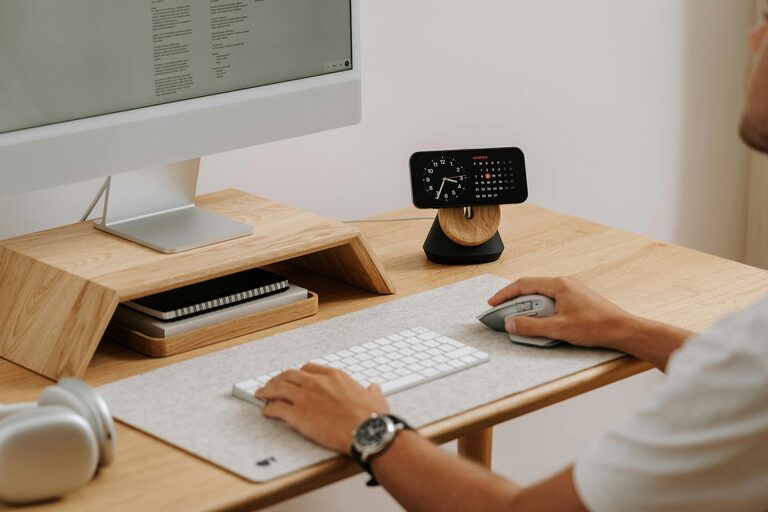
Choose a desk that suits your work style and fits your space. A simple, uncluttered surface with enough room for your computer, papers, and other essentials will help keep you organised.
Add Soft, Warm Textiles
Using soft fabrics in your office instantly adds warmth and comfort.
– Rugs: A plush rug can make your floor cosy and visually appealing.
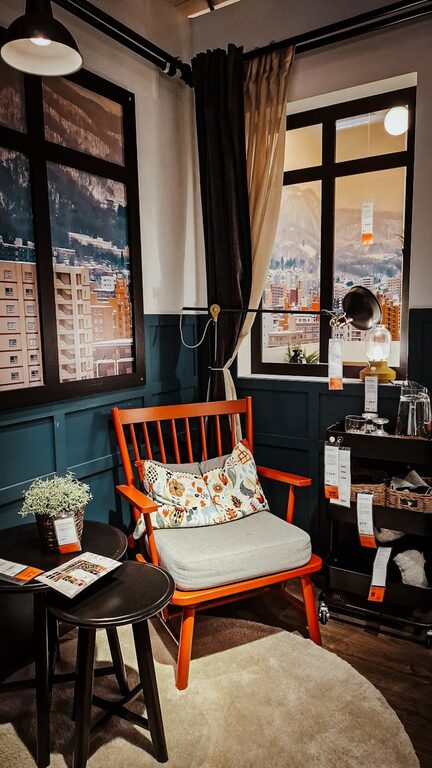
– Throws and Cushions: Draping a throw over your chair or adding cushions creates a homely vibe.
– Curtains: Opt for curtains in soft colours or textures to soften the room’s lighting.
These elements make your workspace feel less sterile and more inviting.
Personalise Your Space
Personal touches make a space feel like your own and boost motivation.
– Artwork and Photos: Display pictures, prints, or artwork that inspire you or bring back fond memories.
– Plants: Adding greenery helps purify the air and brings a refreshing touch of nature indoors.
– Desk Accessories: Use stylish organisational tools like pen holders, trays, or a corkboard for notes.
These items not only decorate but also help keep your space organised.
Optimise Lighting
Apart from natural light, good artificial lighting is crucial.
– Task Lighting: Use a desk lamp with adjustable brightness to focus light where you need it.
– Ambient Lighting: Soft ceiling or floor lamps can create a warm, even glow in the room.
– Avoid Harsh Lights: Bright, stark lighting can be tiring. Aim for gentle illumination that reduces shadows and eyestrain.
A layered lighting approach makes your home office comfortable at any time of the day.
Keep It Clutter-Free
A tidy workspace contributes to a clear mind.
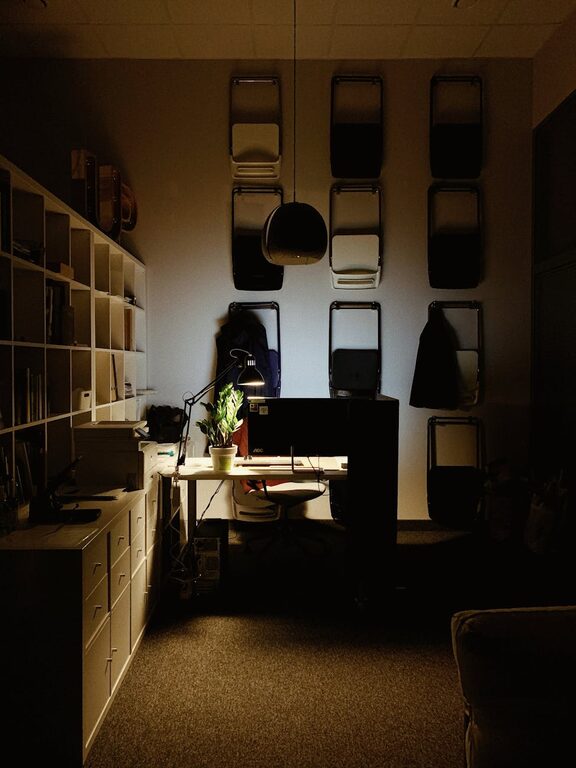
– Storage Solutions: Use shelves, drawers, or filing cabinets to store papers and office supplies neatly.
– Declutter Regularly: Set aside time to tidy your desk and remove unnecessary items.
– Cable Management: Use clips or tubes to manage wires and keep your desk orderly.
Maintaining organisation helps reduce stress and improves focus.
Choose a Calming Colour Scheme
Colours affect mood and productivity.
– Soft Neutrals: Shades like beige, cream, or light grey create a soothing base.
– Warm Tones: Colours like muted blues, greens, or gentle yellows can energise without overwhelming.
– Avoid Overly Bright Colours: Vibrant reds or oranges may be distracting in a workspace.
Use colour thoughtfully to make your home office a peaceful retreat.
Incorporate Personal Wellbeing
Make sure your office supports your health in small but meaningful ways.
– Keep Water Handy: Staying hydrated helps concentration. Have a water bottle or glass nearby.
– Take Breaks: Set a timer to remind yourself to stretch or rest your eyes.
– Add a Scent: A subtle diffuser with calming scents such as lavender or eucalyptus can enhance relaxation.
A space that supports your wellbeing also supports your work.
Flexible and Multi-functional Design
If your home office doubles as another room or is in a shared space, flexibility is key.
– Foldaway Desks: Compact desks that fold away free up space when not in use.
– Moveable Storage: Rolling file cabinets or shelves can be rearranged easily.
– Multi-purpose Furniture: Choose pieces that serve double duty, like storage ottomans.
Adaptable furniture helps maximise your space without compromising comfort.
Final Thoughts
Creating a cosy and inviting home office doesn’t require a full renovation or a large budget. By focusing on comfort, lighting, personalisation, and organisation, you can build a workspace that feels both functional and welcoming. Remember that your home office should reflect your needs and style—it’s your place to be productive and feel at ease.
Take your time arranging your space, and don’t be afraid to try new ideas until it feels just right. With these tips, you can enjoy a home office that makes working from home a pleasure.