
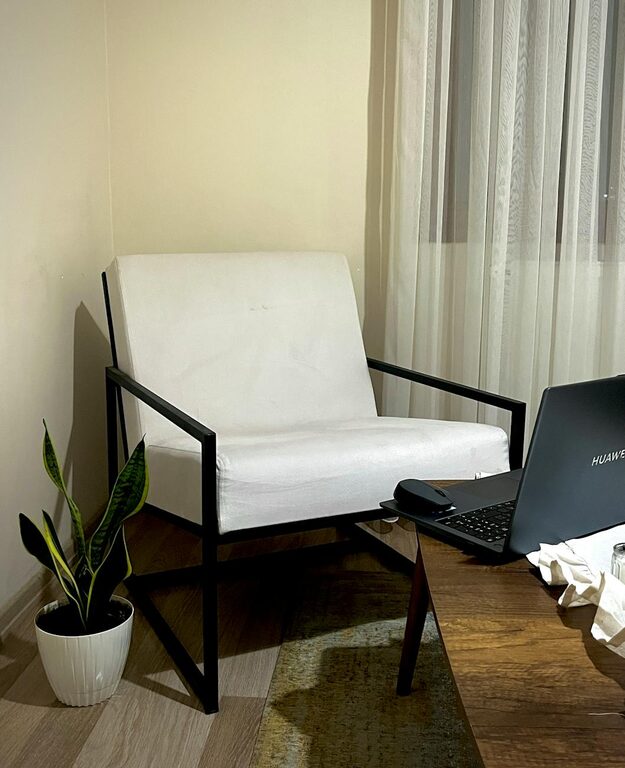
Creating a relaxing home environment can have a significant impact on your well-being and productivity. Your home is not only a place to rest but also a space where you can recharge, focus, and feel comfortable. Whether you work from home or use your living areas to unwind, making thoughtful changes can lead to a more balanced and enjoyable lifestyle.
In this guide, we’ll explore practical tips for turning your home into a tranquil retreat that supports your mental and physical health while helping you get more done during the day.
1. Declutter to Clear Your Mind
A cluttered space often leads to a cluttered mind. Excess items and disorganisation can increase stress and reduce your ability to concentrate.
– Start small: Focus on one room or area at a time.
– Keep essentials only: Donate, recycle, or store things you rarely use.
– Organise effectively: Use boxes, shelves, or baskets to keep items tidy.
Regularly tidying up helps maintain a serene atmosphere and makes your home more inviting.
2. Use Natural Light to Your Advantage
Natural light can boost mood and energy levels, making your home feel more open and refreshing.
– Open curtains and blinds: Let in as much daylight as possible.
– Position your workspace near windows: This can improve focus and reduce eye strain.
– Choose light, reflective colours: Pale walls and furniture can help bounce light around the room.
If natural light is limited, consider soft white lamps or daylight bulbs to mimic the effect.
3. Choose Calming Colours and Textures
Colours and textures influence how we feel in a space. Softer, muted colours tend to promote relaxation and calmness.
– Opt for gentle hues: Blues, greens, and neutrals are all good choices.
– Include natural materials: Wood, cotton, linen, and wool add warmth and comfort.
– Mix textures thoughtfully: Soft cushions, throws, and rugs create inviting spaces.
Avoid bright, overwhelming colours in areas dedicated to rest or focus.
4. Add Plants for Freshness and Calm
Indoor plants are not only decorative but also improve air quality and bring a sense of nature indoors.
– Choose easy-care varieties: Spider plants, succulents, and peace lilies suit most homes.
– Place plants strategically: Near work areas, in living rooms, or bedrooms for visual appeal.
– Use different sizes: Mix small pots and taller plants for variety.
Caring for plants can also be a relaxing activity in itself, fostering mindfulness.
5. Create Dedicated Zones
Having distinct areas for different activities helps your brain associate spaces with specific purposes, aiding relaxation and focus.
– Work zone: Set up a tidy desk with comfortable seating, free from distractions.
– Relaxation area: A cosy corner with cushions, blankets, and perhaps a reading lamp.
– Dining space: A clutter-free table encourages mindful eating and socialising.
Clearly defining these zones improves your ability to switch between work and rest modes.
6. Incorporate Soft Lighting and Sounds
Lighting and sound greatly influence the atmosphere of a room.
– Use lamps and fairy lights: These produce warm, soft glows ideal for winding down.
– Consider dimmable options: Adjust brightness according to time and mood.
– Background sounds: Gentle music, nature sounds, or white noise can enhance concentration or relaxation.
Avoid harsh overhead lights or noisy electronics in relaxation spaces.
7. Minimise Noise and Electronics Clutter
Too much noise or screen time can make it hard to unwind or concentrate.
– Limit unnecessary devices: Keep TVs, smartphones, and tablets out of bedrooms or work areas when possible.
– Use noise-reducing measures: Thick curtains, rugs, or acoustic panels can soften sounds.
– Establish tech-free times: Encouraging periods without screens reduces mental stimulation before rest.
This can help create a more peaceful home environment conducive to mental clarity.
8. Personalise Your Space with Meaningful Items
Decorating with items that bring joy or comfort can positively affect mood.
– Display photos, art, or keepsakes: Choose things that make you smile or inspire you.
– Incorporate scents: Candles, essential oils, or fresh flowers can make rooms feel welcoming.
– Keep it simple: Too many decorations can become distracting.
Personal touches help your home feel like a true sanctuary.
9. Maintain Good Air Quality and Comfortable Temperatures
Fresh air and a pleasant temperature are key to feeling relaxed and productive.
– Ventilate regularly: Open windows for fresh air whenever possible.
– Use air purifiers or humidifiers if needed: Especially in dry or polluted areas.
– Adjust heating and cooling: Aim for temperatures that keep you comfortable without overdoing it.
A comfortable environment supports concentration and restful sleep alike.
10. Establish Consistent Routines
Finally, a relaxing home environment is supported by your habits.
– Set regular wake-up and bedtimes: This helps regulate your internal clock.
– Designate times for work and breaks: Prevents burnout and promotes productivity.
– Include relaxation activities: Reading, gentle stretches, or meditation enhance well-being.
Consistency helps reinforce the positive effects of your surroundings.
—
Final Thoughts
Transforming your home into a relaxing and productive environment doesn’t require expensive renovations or major changes. By focusing on organisation, light, colour, and atmosphere, you can create a space that nurtures both your emotional and mental health.
Start with small steps and see which ideas make the biggest difference for you. With a calm home environment, you’ll enjoy better well-being and boost your productivity naturally.